Our Projects
 |
|
|
|
| |
|
|
AIMS Project - Discover Goa - Dhangarwada
Introduction
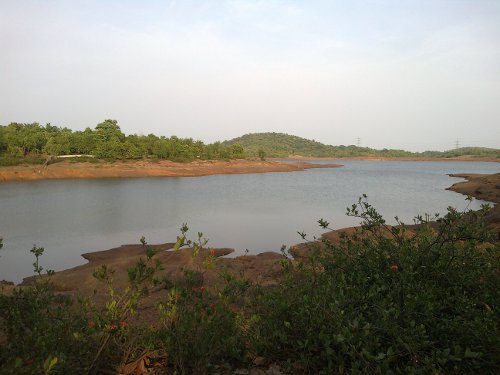 |
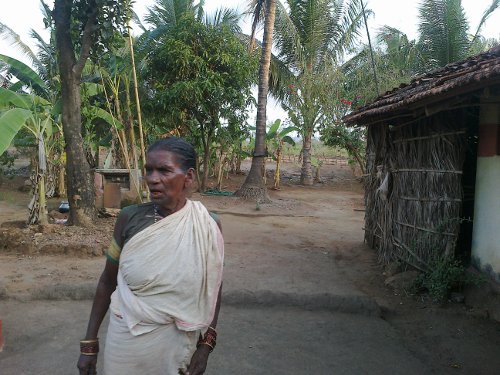
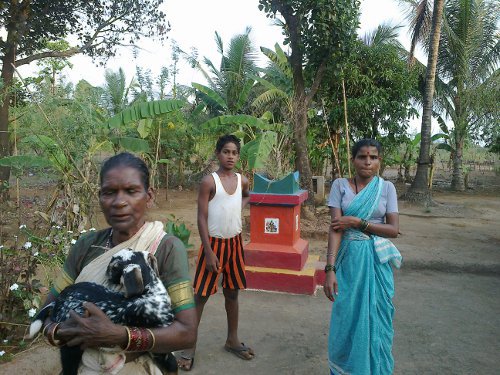
Dhangar Wada a village with a population of 450 in 90 households belongs to the Latambarsem panchayat from Bicholim Taluka. The village is 12km away from Latambarsem panchayat and 3 Km away from the Amthane dam. |
Although the main occupation of the panchayat is agriculture, lack of irrigation facility and poor transport and market has replaced agriculture by daily wage labour. As the Labour is unskilled, the individual basically is on the mercy of time and urgency to get gainfull employment. The area is thinly populated, well connected with roads but lack any industrial base, hence there is poor transport facility. The un-employment rate is alarmingly high. Marketing network is very poor. There are no promising avenues which can assure sustainable and gainful self-employment to youth, particularly the weaker section of the society. It is also lacking in any agricultural institutions which can guide the youth for taking up the self ventures on competitive base. The result is poverty, mass migration of youth to distant places or diversion towards unsocial activities. The scenario was analyzed in relation to developing sustainable livelihood systems to weaker sections of the society.
Download Project Proposal PDF
Resources at Dhangarwada
Strength: The area has strong agricultural base, the land is comparatively fertile, manpower is available, animal husbandry activities are base of agriculture, scope for diversified agriculture is vast.
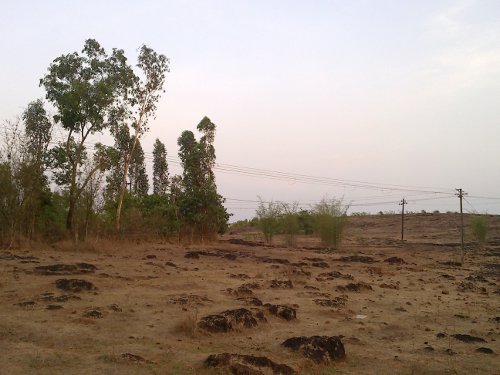
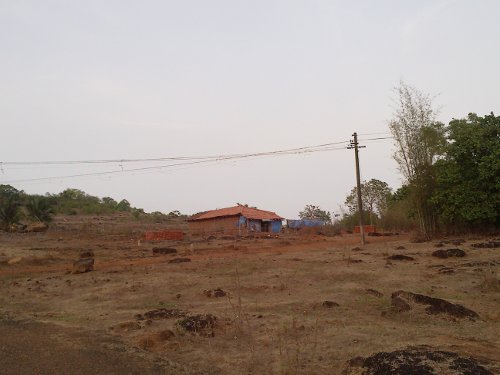
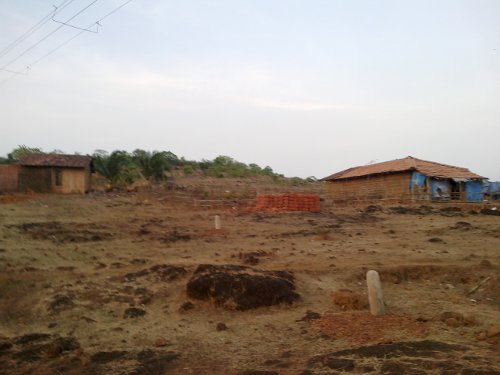
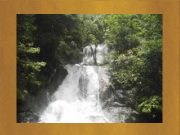
Amthane Dam & Its Beauty Agricultural Land Surrounding the Village Small agricultural land holdings within the community Open space and grazing area for cattle's Human Capital
Livelihood of the People
Weakness of the Village
Land holding is very small, majority of population is either small/ marginal farmers or nearly landless. The productivity is poor, unemployment rate is more and has poor resources to modernize the system. The majority of population belongs to socially weaker sections and lack sustainable livelihood opportunities. Mostly agriculture is rain-fed.
The area has some major problems:
- Lack of water for irrigation and self consumption.
- Poor road connectivity.
- Dependence on the outside villages for daily income.
- Rough Terrain.
- Villagers do not have the form 14 in their name, as it is in the name of their ancestors.
- Non-availability of technologies in due area.
- Lack of avenues for landless, small farmers to get their livelihood.
- Inequality in land holding, gender biasness, as major chunk of population belongs to ST, SC and OBC.
- Lack of training in chain production system for small livestock units, vegetables, fruits, honeybee, mushrooms etc.
- Reversing sick soil to healthy soil.
- Villagers do not have the form 14 in their name, as it is in the name of their ancestors.
- Standardization of methodologies/approaches for generating gainful rural self-employment through improved agricultural technological interventions
- Low cost, easy to make biopesticides/ biofertilizers in the villages
|
| |
|
|
|
 |
 |
 |
|
What will be the Approach
|
Opportunities: Development of sustainable livelihood systems for these weaker sections will be well -adopted, as they do not have alternate system. The equality in livestock distribution will be a tool for poverty alleviation of masses in the area.
Networking with the concerned departments to avail the technological and training assistance in availing the following:-
- Soil testing and back yard farming intervention.
- Opening of more small livestock units particularly of high producing indigenous germplasm through assistance for their livelihood and integrating them with the campaign so that these are self dependant in future and able to provide gainful self-employment.
- Encouraging composting and bio-pesticides and bio- fertilizers production from dung’s and plant/animal wastes.
- Advocacy on vaccination and low cost disease control/ health management technologies.
- Backward integration with re-organization of community resources and forward integration with marketing network
- Small rural chain production system to reduce dependence on external resources and make sustainable
- Organic production system by optimizing nutrient and energy recycling using organic manure and crop rotation.
- Incorporation of high value crops, suitable intercropping etc. with low cost irrigation support system
- Technological interventions for gainful self-employment as new rural poultry production technology, Bamboo Plantation, Mushroom Clutivation, goatery/dairy chain production system.
- Critical seed production in the area as well as composite production system to enhance the per unit productivity.
- Perennial fodder availability to assure adequate green fodder round the year.
- Providing training facility.
- Providing irrigation facility.
- Integration of various technology/research findings and networking with allied government organization, in the routine management.
|
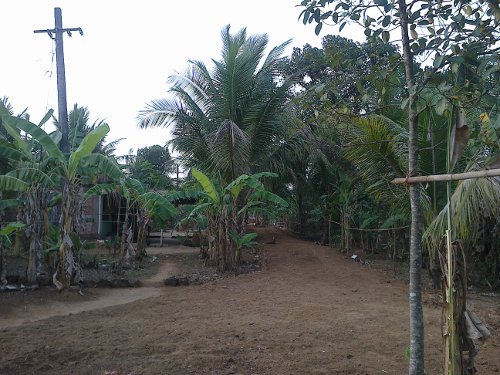
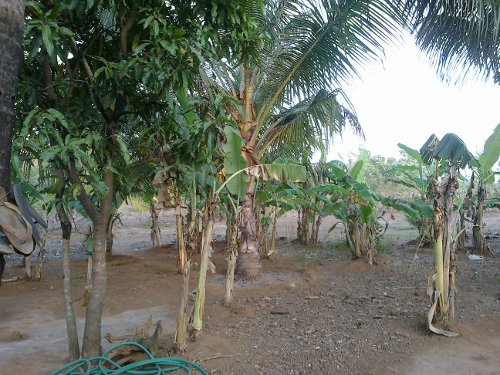
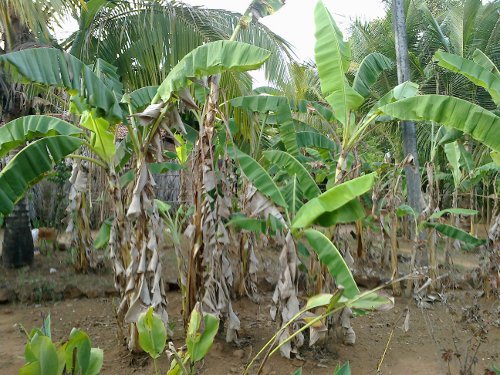
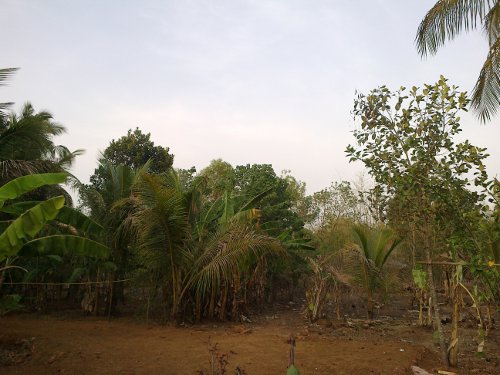
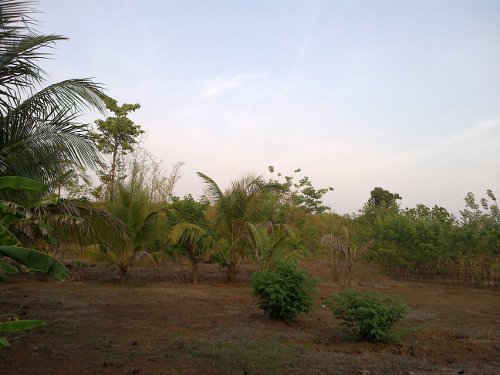
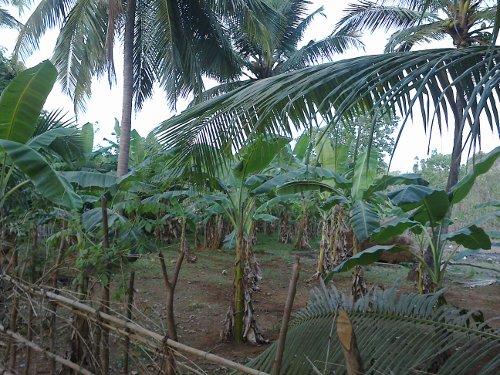
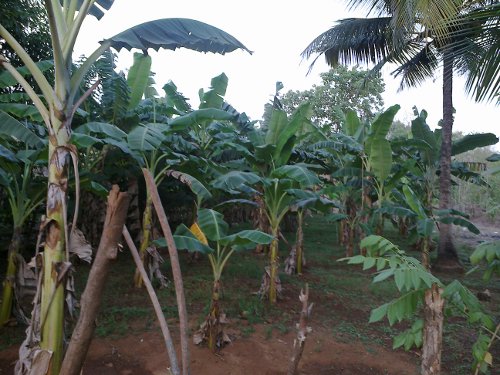
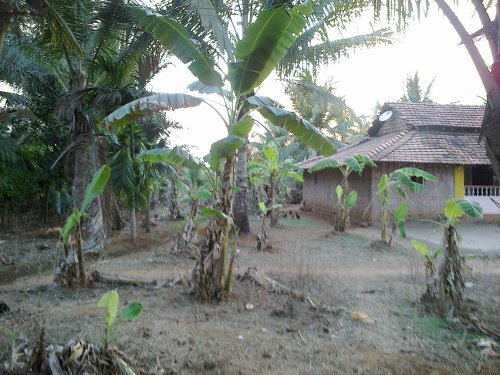
Vegetation of the Village
Hindusthan Petroleum Gas CSR Intervention
The basic requirements of the village was
- Kindergarten for the children.
- Water supply for the villagers.
- Washroom and toilet facility.
- Economic opportunities within the village.
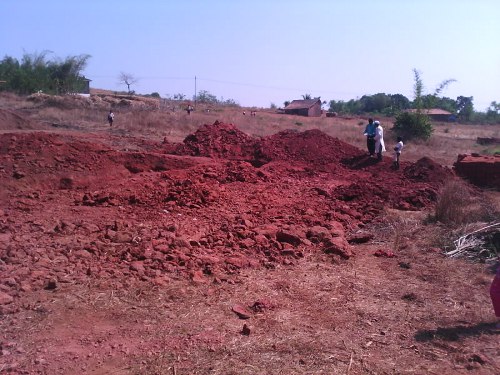
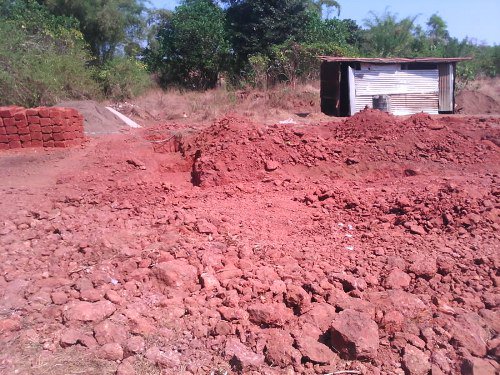
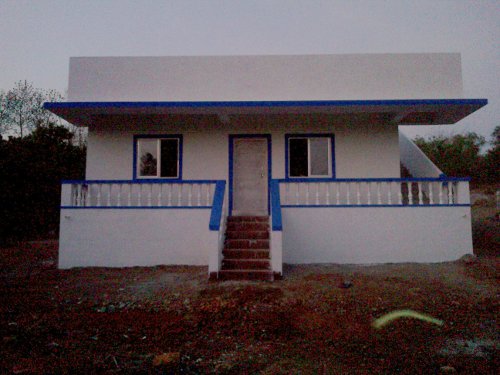
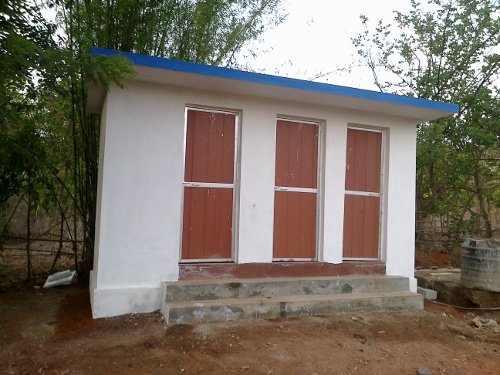
HP Gas build a 2 room training centre with attached toilet. This centre served as a Balwadi in the morning , a training centre for the women in the after noon and a recreation centre for the youth in the evening. A bore well 50 ft deep has been dug . 6 toilets and three bathroom have been constructed in the village.
These basic amenities have proved to be a blessing as the women used to travel 6Km twice a day to fetch water in pots from the Amthane dam. They had to wake up early in the morning to take bath or answer the nature call as they had to go in the open. The intervention of HP Gas has made life easy has women have more time for themselves to relax. As part of the economic activity HP Gas invested in machines like Chalk making machine, candle making machine , leaf plate making machine, and sewing machines. To assist the villagers in their agriculture HP Gas invested in two harvesters . Secondly as there is no public transport plying in the area, HP Gas invested in a Maruti Omni.
To ensure that the given facility is not misused, a registered group “Dhangar Hitkar Sangh” was formed comprising of the village youth. The Vehicle and all the machinery was bought in the name of this registered body.
Currently the HP Gas project is stepping into its second phase i.e Sustainable livelihood.
Download PDF to Read More >> |
| |
|
|
|
 |
 |
 |
 |
|
|
Achievements
|
|


















 +91 - 9823096212